Since the fall of France in 1940, the international order has altered radically: after a period of decolonization in a bipolar world, and following the end of the brief interlude of unchallenged American domination, we are in a time of globalization, with the emergence of new powers and the growing interdependence of economies. To this can be added the appearance of new actors—regional organizations, non-governmental organizations (NGOs), multinationals, and social groups—that influence international affairs and challenge the power of the state. In an era where postmodernism is questioning the concepts of progress, modernity, universality, and Western values, the very foundations of the politics of influence and intervention are being shaken.
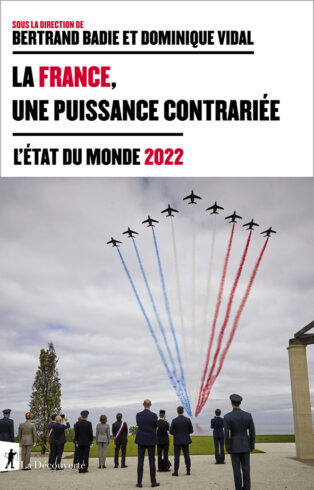
In this new world, where does that leave French power, or its “ability to impose its will outside its borders,” to use Raymond Aron and

