In this book, Nick Bostrom plunges us into a radical utopia, a world where all tasks would be taken over by artificial intelligence (AI) and its robotic agents. In so doing, he extends the thinking behind Superintelligence.[1]. Whereas the first book dealt primarily with the existential risks associated with the development of technologies that would surpass human capacities for intelligence, and argued in favour of aligning the objectives of AI with human values, this one assumes that humanity has survived and addresses the question of a post-superintelligence society.
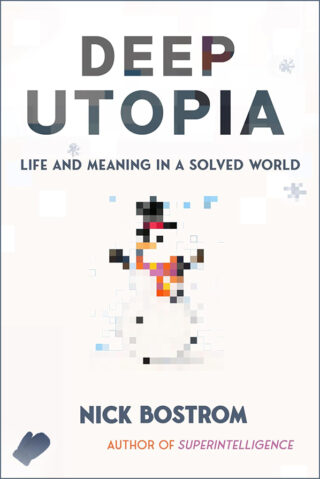
It is a systematic exploration of the economic, social, philosophical and moral consequences of this radical hypothesis. It is necessarily abundant, with a multiplication of angles of attack, and its ambition goes far beyond an exercise of the type “what if…”, familiar to futurists. The tone is set in the short preface, in a poetic paragraph that evokes the metamorphosis of a familiar landscape, transfigured by the snow that covers it on a winter’s morning and inspires the desire to discover its mysteries.
The story follows several intertwined paths. The first of these focus