International assessments of the academic level of French school students regularly highlight their woeful performance when viewed against the financial investment in education. This leads, among other things, to repeated national education reforms and, with each one, debates over teaching methods return to the fore. Though there has undoubtedly been progress in this area, much remains to be done, on the one hand, to guarantee that students are well-taught and able to thrive and, on the other, to combat the effect of social inequality on learning. Now, as this article shows, advances in neuroscientific research could play a part in improving the operation of the education system, provided that students and teachers are alive to these developments.
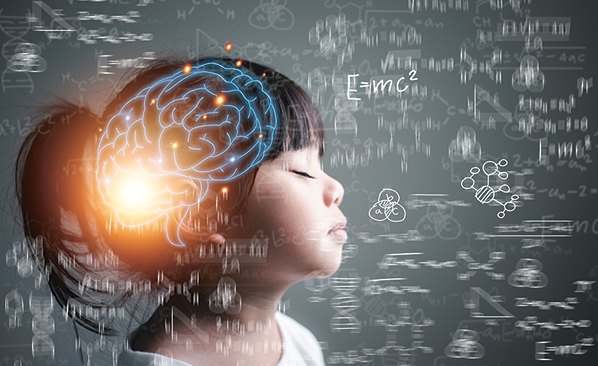
Grégoire Borst reminds us here of the various processes that conduce to educational inequality — processes relating, among other things, to social background and circumstances and the effects of these on children’s learning environment and brain development. On this basis and drawing on field studies conducted by his research laboratory, he points to the various brain functions that play a part in children’s basic learning and highlights a number of biases and mental reflexes that adversely affect these processes but could very easily be corrected thanks to the malleability of the brain.
To achieve this, students, families and teaching staff would require familiarization with this science on the brain and its functioning. If they were better informed and aware of the possibilities open to them, they could adopt more effective learning strategies, permitting a reduction of disparities in school performance engendered by socio-economic circumstances and allowing children to overcome their difficulties and develop their talents.
The article is downloadable only in French. It is not available in English.