‘Holocausts’, in the plural: the title of this book [Holocausts: Israel, Gaza and the War against the West] is surprising, even disturbing. Isn’t the term reserved exclusively for the Shoah, the Hebrew word for ‘catastrophe’, which refers to the extermination of the Jews during the Second World War? No. In the literal sense, it describes a religious sacrifice, explains Gilles Kepel, and by extension, its victims and the desire for annihilation that motivates the act. And, since the ‘razzia’ on 7 October 2023, the mutual sacrifices that Israelis and Palestinians inflict on each other are reminiscent of a holocaust, in terms of their scale, their violence and the religious fanaticism that underpins them.

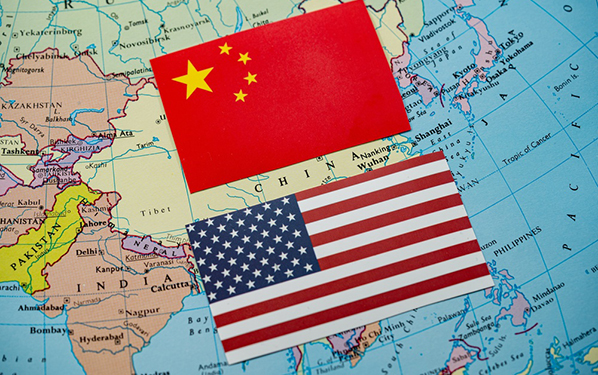
As he allowed himself to do in his previous book — Le Prophète et la pandémie[1] — Gilles Kepel gives us his ‘on the spot’ analysis of recent events, given the unprecedented and decisive stakes for the world’s equilibrium: The political outcome of a conflict that has lasted more than 70 years, and the possibility of a two-state solution; the balance of power between the regional powers of Qatar, Saudi Arabia, Turkey and Egypt; the future and positioning of political Islamism, whose most radical movements, both Shiite and Sunni, are lining up behind Iran as part of an “axis of resistance”; and finally, the emergence of a new world order in which a “Global South”, led in particular by China and Russia with the enlarged BRICS group,[2] would take its revenge on the West, whose domination it challenges.
Both an expert in geopolitics and a specialist in the Arab world, Gilles Kepel has no equal when it comes to ana