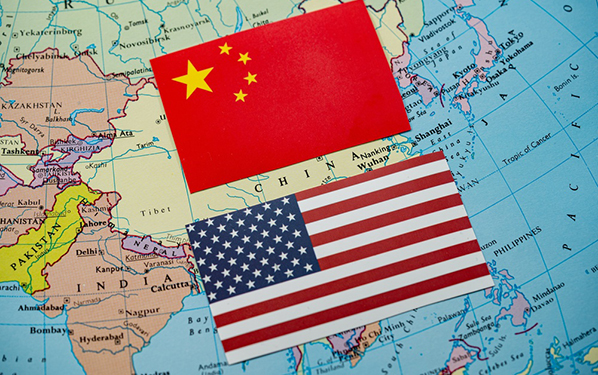
The period between 1945 and 1990 had a name: the Cold War. The third of a century that has passed since then has none, however. What Ghassan Salamé asks is: Why? The explanation is that it is marked by two contradictory moments, the first consisting of promises of a more democratic, peaceful world, which globalization and the technological revolution were supposed to make multicultural and convergent; the second consisting of dashed hopes in the face of democratic backsliding, the rise of nationalism and identitarian sentiments, and transactional relations guided by political and diplomatic opportunism, outside the now-discredited UN regulatory framework. Will postmodern international relations, which some believed to be inspired by Venus, henceforth be under the aegis of Mars? At this pivotal moment in History, which of these two paths will tomorrow’s world take?
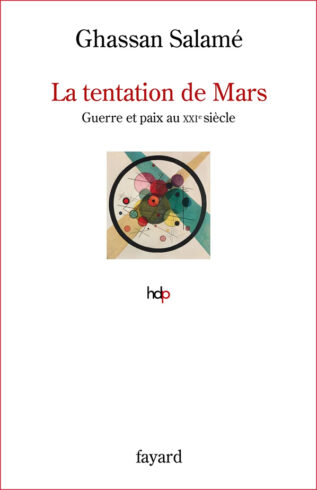
Salamé is particularly well placed to take an objective look at the state of the world, where the countries of the “Global South” have recently been asserting themselves, driven by powerful anti-Western resentment and aspirations to influence the global system. As a professor of international relations at Sciences Po, a former minister of culture and education in Lebanon, and a diplomat at the United Nations, the author adds to his expertise and practical experience the lucidity and neutrality of a man from Lebanon, a country that is so close to the West without being part of it. In order to understand the world to come, he examines it from the angle of six factors that he considers to be sources of dashed hop